Biologic Drug Analytics
Biosimilar Testing
ProtaGene is a specialized analytical CRO supporting biosimilar programs with originator characterization, biosimilarity exercise and the NBE cycle of your biosimilar candidate (phase appropriate GMP release and stability studies) with development, qualification and validation of high-resolving analytical methods from research and development up to commercial stage.
Biosimilar development is a complex process. Demonstrating analytical similarity requires a comprehensive range of orthogonal methods, the right critical quality attributes (CQAs), and assay sensitivity designed to detect meaningful differences. With around 30+ years of experience across 50+ originator molecules, we reduce uncertainty and speed decisions across key milestones aligned with global regulatory requirements and updated recommendations.
Biosimilar Testing & Analytical Services
At ProtaGene, we deliver end-to-end services that combine targeted biosimilar testing with advanced analytics and audit-ready documentation. The goal is to produce reliable evidence for a comparative analytical assessment and generate comparative analytical data that supports confident similarity conclusions.

Reference Product Sourcing & Program Strategy
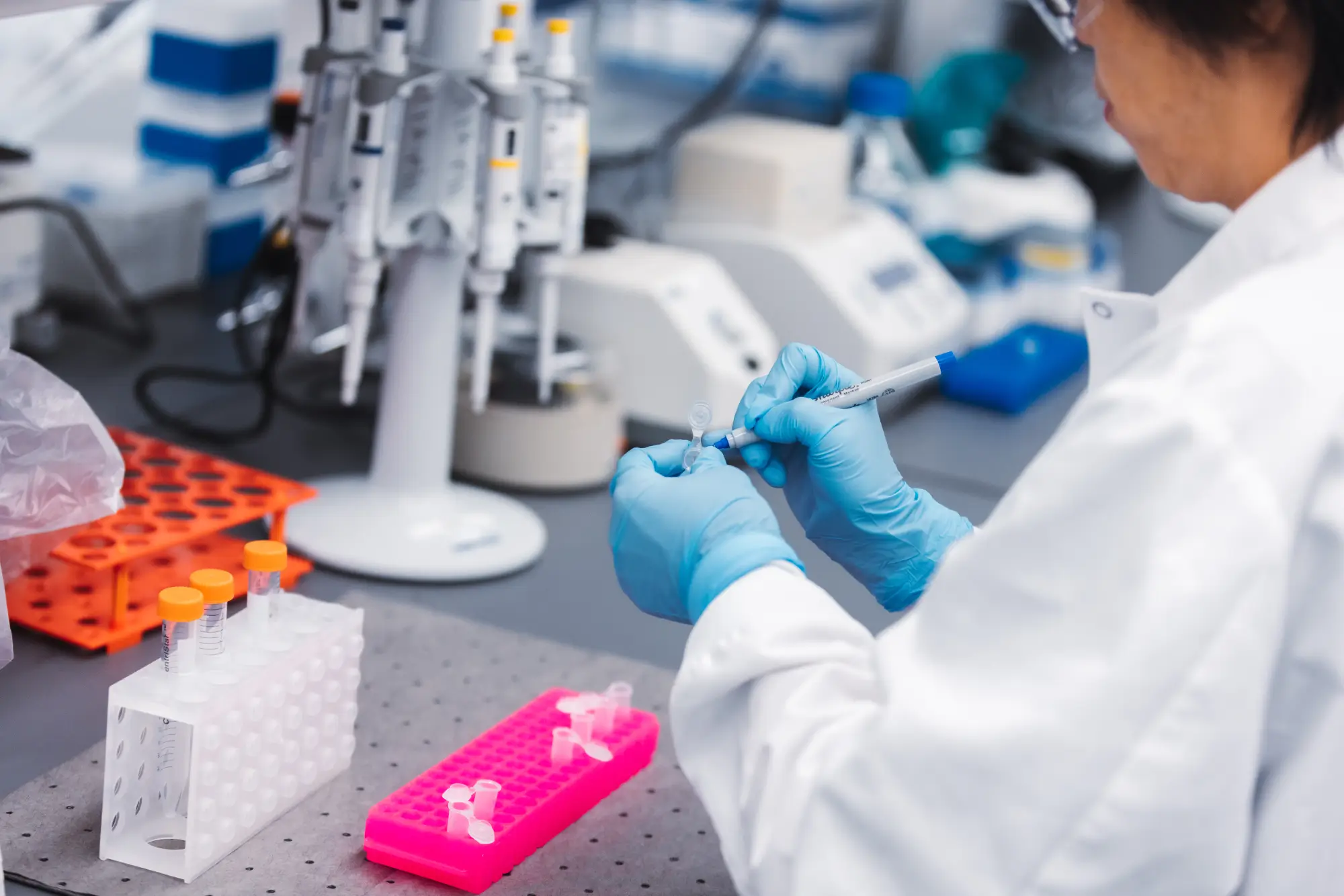
We help define an analytical strategy aligned to your biosimilar product development program, including referencing sourcing plans, lot strategy, and attribute prioritization. A biosimilar submission typically requires detailed information demonstrating that a proposed biosimilar is comparable to a reference product, supported by structured analytical comparisons and documentation.
Where appropriate, we also align the analytical plan with downstream needs such as clinical studies planning and statistical considerations for comparability.
-
Reference sourcing and lot strategy enabling meaningful comparisons to the reference product
-
QTPP alignment and CQA definition driving the comparability plan
-
Risk-based assay strategy to focus on attributes most likely to influence similarity conclusions

Method Development, Qualification and Phase Appropriate Validation
The analytical service spans method development and qualification of characterization and similarity. The methods are specifically developed to identify and quantify smallest differences to support the biosimilar development as well as to built a solid foundation to justify what is similar enough.
Finally, your own biosimilar product is supported by phase appropriate validation of all needed GMP analytics.
-
Comprehensive analytical portfolio enlightening all quality attributes of your product
-
Regulatory compliant deliverables as method development, qualification and validation reports
-
Integrated report and structured outputs driving your similarity decision-making process
-
QA oversight of all GMP related studies (release and stability)

Product Characterization, Head-to-head Biosimilarity & Regulatory-Ready Data Packages
Detailed product characterization of the originator is performed to establish a comprehensive target quality profile that guides biosimilar process development.
Through head-to-head analytical comparison with the biosimilar candidate, key attributes and potential differences are systematically assessed to demonstrate biosimilarity across relevant critical quality attributes (CQAs).
The resulting data are integrated into regulatory-ready data packages that support scientific justification and facilitate interactions with health authorities.
-
Primary structure and molecular integrity
-
Biological activity and potency (mechanism-of-action related assays)
-
Higher-order structure (secondary, tertiary, quaternary)
-
Post-translational modifications and glycosylation
-
Size- and charge heterogeneity
-
Purity and impurity profile (product- and process-related)
-
Stability and degradation pathways
Featured Article
ProtaGene Weighs in on the Future of the Biosimilars Market
History repeats itself, and all indications are that biosimilars are, in meaningful ways, following a similar path to small-molecule generics. Many in the biopharmaceutical realm would likely dispute the comparison as biologics are considerably more complex, and demonstrating comparability is quite challenging. Read More →
Analytical Solutions from Research to Market
Why Sponsors Choose ProtaGene for Biosimilar Comparability
ProtaGene delivers the analytical components of a biosimilar comparability program; sponsors retain ownership of clinical, regulatory, and commercial strategy. We provide assay design, data generation, and submission-ready documentation across all packages needed to support the claim of biosimilarity:
- High-resolution method development and qualification for detecting and quantifying small differences
- Early degradation analysis to identify originator critical quality attributes (CQAs)
- Originator sourcing, sample tracking, and characterization to define manufacturing targets and the biosimilarity corridor
- Head-to-head biosimilarity testing and evaluation, including mass spectrometry and orthogonal techniques
- GMP release and stability studies of the biosimilar candidate
- Analytical interpretation and program scaling that adapts assay depth to program stage and risk profile
Biologic Therapeutics Platform Expertise
Our deep experience advancing a diverse range of therapeutic platforms from research through market help the ProtaGene team design highly effective analytical programs that de-risk development and accelerate timelines to your next key milestones. Key biologic development areas include:
-
Recombinant proteins—including complex, highly glycosylated proteins
-
Multi-subunit complexes—protein, nucleotide, ligand
-
mAbs
-
ADCs and protein conjugates
-
PEGylated proteins
-
Bispecifics/multispecifics
-
Fusion proteins
-
Enzyme replacement therapies
-
Biosimilars
-
Vaccines, including subunit/recombinant





































































































































































Analytical Systems
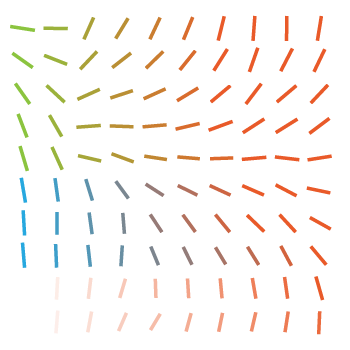
Enabled by state-of-the-art technology, ProtaGene offers an extensive range of analytical capabilities to support your biotherapeutic or gene & cell therapy projects.



































































































































































Subscribe to Our Email List
Talk to Our Biosimilar Testing Experts
Planning a biosimilar comparability program or building a characterization strategy? Share your molecule class, program stage, and target timeline. The ProtaGene team will outline an analytical plan that fits the regulatory phase and the scientific risk profile of your program.
Contact UsFrequently Asked Questions
What is a biosimilar comparability study?
A biosimilar comparability study is a structured analytical comparison between a proposed biosimilar candidate and the reference product. The study evaluates structure, physicochemical properties, purity, impurities, biological activity, and stability across multiple lots of the reference product and the candidate. The objective is to generate the analytical evidence base that supports a similarity assessment under ICH Q5E, ICH Q6B, and the comparability frameworks of the FDA and EMA.
How does biosimilar characterization differ from innovator product characterization?
Biosimilar characterization is comparative by design. Every attribute measurement is interpreted against the reference product, often across multiple commercial lots of that reference. Innovator characterization defines the candidate against its own specifications. Biosimilar characterization adds a second axis: the candidate must fall within the analytical variability range observed for the reference product. This drives the need for highly sensitive methods, orthogonal techniques, and statistical treatment of lot-to-lot variability.
How does ProtaGene support biosimilar sponsors with regulatory submissions?
ProtaGene generates the analytical data, method documentation, validation reports, and structured comparability assessments that sponsors include in the analytical similarity sections of their submission dossier. ProtaGene does not file submissions and does not act as the regulatory sponsor. The analytical package is delivered to the sponsor, who integrates it with clinical, nonclinical, and CMC data into the final dossier.
At which program stage should sponsors engage an analytical CRO for biosimilar comparability?
The earlier the better, ideally before the first reference product is sourced. Early engagement allows the analytical strategy, QTPP, and CQA definition to inform downstream choices including method selection, lot sourcing, and statistical design of the pivotal comparability study. Engagement at later stages is possible but tends to require either repeat work or compensating method depth.
Still have questions?
Discover how ProtaGene can support your development programs.